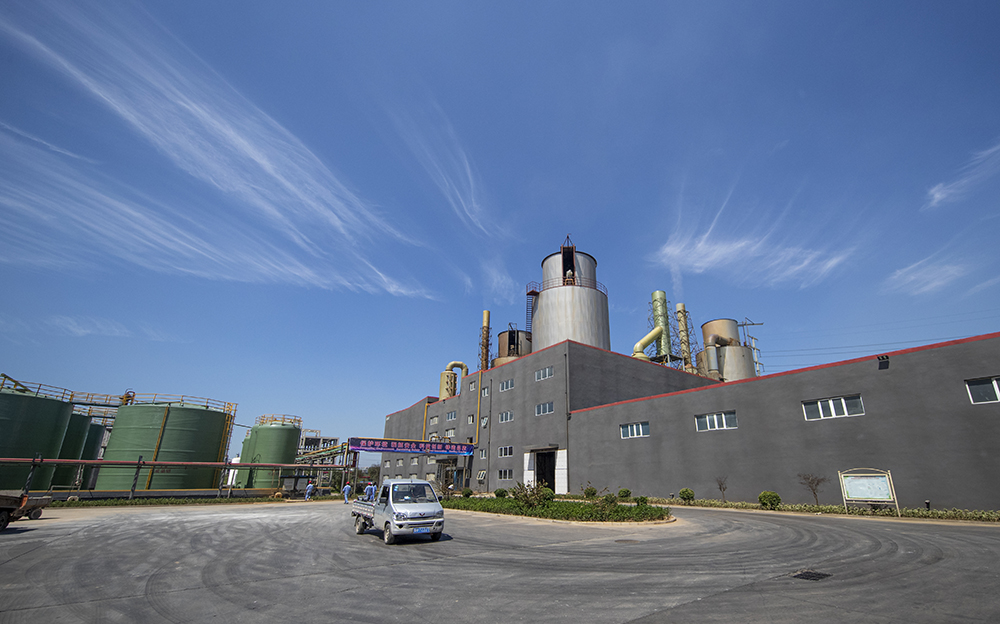


You know, as the world is grappling with growing needs for better wastewater treatment solutions, industry leaders are really starting to take a good look at some innovative coagulants like Poly Ferric Sulphate. A recent report from Research and Markets even predicts that the global market for wastewater treatment chemicals is set to soar to around USD 74 billion by 2025! They're putting a big focus on sustainable and efficient methods, which is definitely the way to go. Take Henan Aierfuke Chemicals Co., Ltd., for instance—they’ve been at the cutting edge of this field since 2004, creating top-notch water treatment agents, including their well-known lvshuijie brand of polyaluminum chloride and Poly Ferric Sulphate. These products have really shown they can work wonders at filtering out contaminants and cleaning water, which aligns perfectly with the industry's move towards greener technologies. So, as we dive into the latest trends and breakthroughs in Poly Ferric Sulphate, major players are set to discover new ways to make wastewater treatment even more efficient. This ultimately means a cleaner environment and better public health for all of us!
Looking ahead to 2025, it's pretty clear that the wastewater treatment industry is about to go through some serious changes, all thanks to the push for more sustainable practices and cutting-edge technologies. One big trend we’re seeing is the rise of integrated treatment systems that mix biological, chemical, and physical processes. This hybrid approach doesn’t just make wastewater treatment more efficient; it actually helps shrink the environmental footprint. That's why it’s becoming a go-to option for both municipalities and industries these days.
And let’s not forget about advanced coagulants, like Poly Ferric Sulphate. These guys are stepping up the game by doing a better job at removing contaminants. As buyers around the world are on the hunt for effective solutions, the spotlight is shifting to sustainable and high-performance chemicals that can handle regulations—while also not breaking the bank. Plus, we’re seeing smart technologies, including IoT and AI, coming into play, allowing for real-time monitoring and optimization of treatment processes. This is definitely a game changer for efficient wastewater management. Really, these trends show how the industry is shifting towards a more sustainable and innovative future, and it’s exciting to think about what’s next!
This chart illustrates the projected growth of various wastewater treatment technologies, highlighting the increasing adoption of Poly Ferric Sulphate as an effective coagulant by 2025.
Hey there! Have you heard about Poly Ferric Sulphate (Pfs)? It's really starting to make waves in the wastewater treatment scene, especially these days when everyone’s trying to be more sustainable with water management. What’s cool about this iron-based coagulant is that it really shines when it comes to floc formation, no matter the conditions—though it particularly thrives at neutral pH levels. Research shows that the flocs formed in these conditions turn out bigger and grow faster, which is super important for making the treatment process work more efficiently. So, it’s no wonder PFS has become such an essential tool for both industries and municipalities alike.
If you’re looking to get the best out of PFS, it’s key to keep an eye on those pH levels to really optimize flocculation. Plus, you’ll want to make sure you’re using the right dosage based on the specific makeup of the wastewater you’re dealing with. Another handy tip? Mixing PFS with other coagulants, like polysilicate, can really ramp up the performance in sludge dewatering. So definitely keep that in mind if you're aiming to boost your treatment efficiency. And as we approach 2025, staying in the loop with the latest trends and research will help global buyers unlock the full potential of PFS for their wastewater treatment needs.
| Property | Value | Application | Trend Forecast for 2025 |
|---|---|---|---|
| Molecular Weight | ~150,000 Da | Wastewater Treatment | Increased usage due to regulatory changes |
| pH Range | 4.0 - 10.0 | Industrial Effluent Treatment | Adoption of eco-friendly solutions |
| Solubility | High | Drinking Water Purification | Growing demand in urban areas |
| Density | 1.2 g/cm³ | Sludge Treatment | Innovations in sludge management |
| Chloride Content | Low | Chemical Manufacturing | Emerging markets for chemical by-products |
You know, the demand for Poly Ferric Sulphate (PFS) in wastewater treatment is really gearing up. As industries push to meet those ever-rising global water quality standards, it’s hard to ignore. Take the dairy sector, for instance—it actually uses about 34% of the world's water! So, the need for effective treatment solutions like PFS is super important right now. And with the dairy industry growing, there's a real push for smarter treatment methods, especially those microalgae-based processes that tackle specific wastewater issues. These not only help with environmental sustainability but also boost resource recovery, which is a win-win situation.
Looking at market trends, it seems like the water treatment chemicals sector, particularly flocculants and coagulants, is on an upswing. The global market for these flocculants and coagulants is expected to hit around USD 12.16 billion by 2035. Why? Well, the demand for clean water is skyrocketing, especially in municipal systems. Plus, the entire wastewater treatment chemicals market should see a growth rate of about 3.6% per year from 2022 to 2032. This really shows how aware we’re becoming about water management issues. As new innovations in PFS and its applications come out, it’s key for global buyers to stay on top of these trends to make the most out of their wastewater treatment processes.
You know, as we move deeper into the 21st century, it’s really becoming clear that we need some smart solutions for wastewater treatment. With more people waking up to environmental issues, we’ve seen some cool advancements in tech and methods. One standout in this area is Poly Ferric Sulphate, or PFS for short. This stuff is pretty amazing—it’s a multifunctional coagulant that not only helps whisk away suspended solids but also boosts how well bio-remediation works. By bringing PFS into wastewater treatment, facilities can cut down on chemical costs significantly while also improving their treatment effectiveness.
Looking ahead, the way we handle wastewater is really going to depend on how well we adapt to new rules and what consumers are looking for. As industries chase after sustainability, PFS proves to be a solid option that meets the rising expectations for eco-friendly practices. It’s versatile enough to be used in a bunch of settings, from municipal wastewater treatment plants to industrial discharges, which really goes to show its potential for driving eco-innovation. By staying updated on the latest trends and incorporating PFS into their treatment processes, organizations can not only make their operations smoother but also play a part in keeping our planet green. It’s all about paving the way for a more sustainable future when it comes to managing our water resources.
You know, the whole regulatory scene around wastewater treatment has really changed a lot lately. It’s having quite an effect on how people are using Poly Ferric Sulphate, or PFS for short, as a coagulant. Governments and environmental groups are tightening their grip with stricter water quality standards, which is pushing operators to look for better solutions that fit these new rules. PFS is starting to get a lot of attention because it’s super effective at getting rid of contaminants, and it’s also a lot kinder to the environment compared to the old school coagulants. With regulations getting tougher all over the globe, it seems like the demand for innovative treatments that feature PFS is only going to keep on rising.
On top of that, how these rules are enforced can really differ from one place to another, creating a pretty mixed bag of a market for PFS. In areas where environmental laws are tight, businesses are more likely to throw money at sustainable wastewater treatment solutions, which is definitely sparking some cool innovations and research into how to use PFS in the best ways. This variation opens up some neat opportunities for buyers around the world to get their hands on PFS that meets local regulations while also upscaling their treatment effectiveness. As we gear up for 2025, really getting a grip on these regulatory shifts will be key for all the stakeholders out there who want to make the most of the advancements in wastewater treatment tech.
As the world grapples with increasing water scarcity and pollution challenges, sustainable practices in wastewater management have emerged as a critical focus for future developments. Innovative techniques and materials are being incorporated into treatment processes, emphasizing the urgency of adopting eco-friendly solutions. The integration of advanced coagulants like Poly Ferric Sulphate (PFS) signifies a shift towards more effective and environmentally responsible treatment options. As industries and municipalities seek to meet stringent regulatory standards, PFS is becoming a favored choice due to its efficiency in removing contaminants and minimizing sludge production.
Looking ahead to 2025, the trends in wastewater management will increasingly prioritize sustainability. This entails not only the adoption of advanced technologies but also the implementation of circular economy principles. Enhanced methods such as nutrient recovery and biogas generation from wastewater treatment processes represent harmonious ways to minimize waste and harness energy. By focusing on sustainable practices, the industry can ensure that wastewater management contributes to environmental conservation while meeting the growing demands of urban centers. The future of wastewater treatment lies in harmonizing innovation with sustainability, setting a precedent for responsible resource management on a global scale.
: Poly Ferric Sulphate (PFS) is an iron-based coagulant known for its superior properties in enhancing floc formation, particularly at neutral pH, leading to larger and more effective floc sizes in wastewater treatment.
PFS improves floc formation and growth rates, which directly leads to enhanced efficiency in the wastewater treatment process, making it essential for both industrial and municipal applications.
Effective use of PFS includes monitoring pH levels to optimize flocculation, applying the appropriate dosage based on wastewater characteristics, and potentially integrating PFS with other coagulants to improve sludge dewatering performance.
The demand for PFS is expected to rise due to increasing global water quality standards, particularly as industries like the dairy sector contribute significantly to water resource consumption and require advanced treatment solutions.
The global flocculant and coagulant market is projected to reach USD 12.16 billion by 2035, with the broader wastewater treatment chemicals market expected to grow at a CAGR of 3.6% from 2022 to 2032.
The use of PFS reflects a shift towards effective and environmentally responsible treatment options, helping industries meet stringent regulatory standards while minimizing sludge production.
Future trends will prioritize sustainability through advanced technologies and circular economy principles, including nutrient recovery and biogas generation to enhance wastewater treatment and resource management.
Innovation is crucial as it aids in harmonizing effective wastewater treatment practices with sustainability, ensuring responsible resource management amid increasing demands from urbanization.
Global buyers can optimize wastewater treatment processes by staying informed about the latest trends and research regarding PFS, which can enhance their operational efficacy and meet treatment needs effectively.
PFS helps reduce the environmental impact of wastewater treatment by effectively removing contaminants and lowering the volume of sludge produced, thus promoting sustainability in water management practices.